Why Boat Trailer Bearings Fail in South Florida (And How to Stop It)
Most of the roadside calls we run in Miami-Dade start the same way: a wheel that got loud, then hot, then quit. Nine times out of ten it's a bearing. And on boat trailers, the bearing didn't wear out. It drowned.
The dunk is the problem
Here's what happens every time you launch. You tow to the ramp, and after even a short drive the hubs are hot. Then you back the trailer into the water. Hot metal hits cool saltwater and contracts fast, and that contraction pulls a small vacuum inside the hub. The vacuum sucks water right past the grease seal.
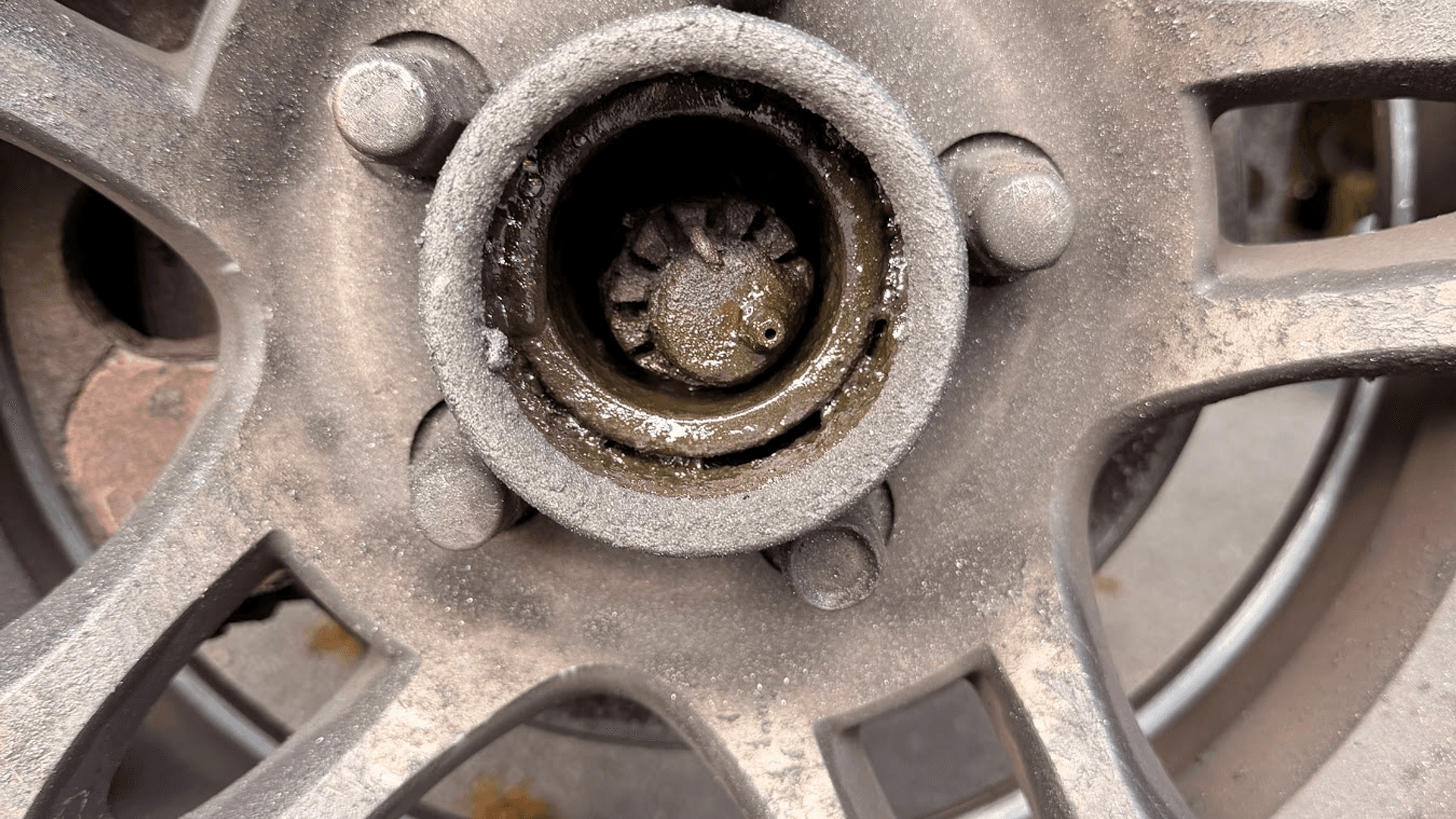
Now there's saltwater mixed into the grease. Salt plus steel plus moisture starts pitting the bearing surfaces the same day. You won't hear anything for a while. The damage builds quietly for weeks or months, then shows up as a hum, then a grind, then a hub you can fry an egg on.
That's why a trailer that only goes to the ramp a few times a year can lose bearings faster than a utility trailer that runs every week. It's not the miles. It's the water.
What failure actually costs
A bearing is a cheap part protecting expensive ones. Run one dry and it takes the hub with it. Keep driving on the noise and it welds itself to the spindle, and now you're replacing an axle instead of a $30 part. Worst case, the wheel separates at highway speed with your boat on top.
We've swapped hubs on the shoulder of US-1 for families halfway to the Keys more times than we can count. Almost every one of those calls was preventable.
How to stop it
Three habits cover you:
Repack yearly. Any trailer that touches saltwater should get fresh marine-grade grease, new seals, and a bearing inspection once a year. Not when it makes noise. Once a year, on the calendar. If a bearing or race shows pitting or discoloration, it gets replaced then, in a driveway, instead of later, on a shoulder.
Use bearing protectors, and keep them loaded. Spring-loaded caps like Bearing Buddies keep light pressure on the grease so the hub can't pull that vacuum when it hits the water. They only work if there's grease behind them, so check them every few trips. And don't overfill, or you'll blow the rear seal and let water in the back door.
Touch your hubs. After any tow, put a hand near each hub. Warm is normal. Too hot to hold your hand on means something is wrong, and the time to deal with it is before the next trip, not during it.
The quick self-check
Jack up each wheel once in a while and rock it top to bottom. Any clunk or play means the bearing is loose or going. Spin the wheel and listen for grinding or gravel sounds. Grease slung on the inside of the wheel means a seal has let go. Any of those, stop towing and get it looked at.
We do bearing repacks and full hub swaps at your place, anywhere in Miami-Dade, and we carry pre-greased hub kits in the common sizes for the ones that don't make it that far. If your trailer launches in saltwater and hasn't had the bearings touched in over a year, it's due.
Call or text (786) 570-9538 and we'll come take care of it.
Need a hand? Call Dade Trailer Rescue And Repairs at (786) 570-9538.
Get a free quote →